Dióxido de titanio obtenido mediante el proceso de sulfato
- Inicio /
- Dióxido de titanio /
- Tipos de dióxido de titanio /
-
Dióxido de titanio obtenido mediante el proceso de sulfato

¿En qué consiste el proceso de producción de sulfato de dióxido de titanio?
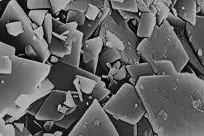
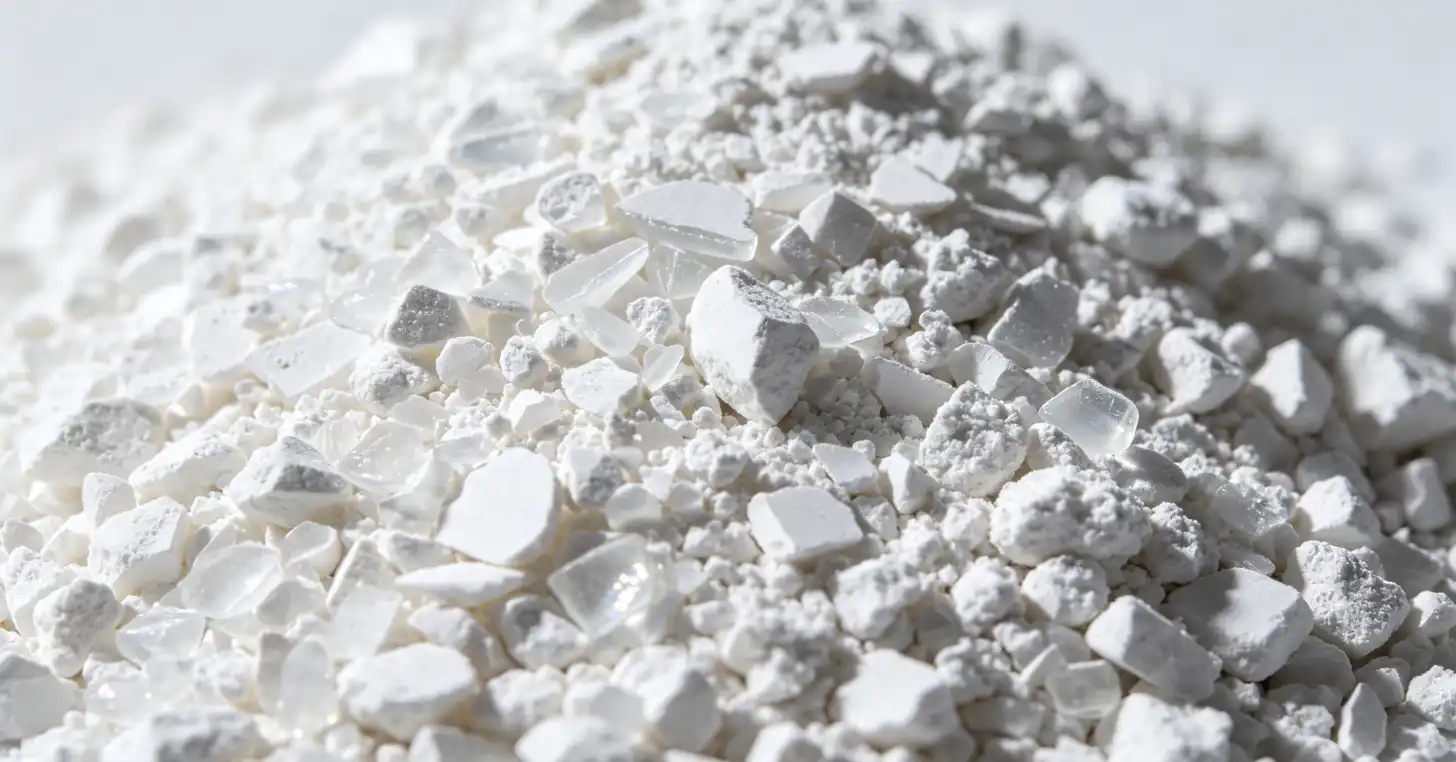
El dióxido de titanio, producido mediante el proceso del sulfato, es una de las formas de TiO₂ más utilizadas en la industria química mundial. Como uno de los dos métodos principales de producción industrial —junto con el proceso de cloruro—, el proceso de sulfato implica una serie de reacciones químicas bien establecidas: en primer lugar, los minerales que contienen titanio (normalmente ilmenita o escoria de titanio) se hacen reaccionar con ácido sulfúrico, lo que da lugar a una solución bruta de sulfato de titanio. A continuación, esta solución se somete a una serie de etapas de procesamiento de refinado, que incluyen la hidrólisis para formar precipitados de hidróxido de titanio, la calcinación a alta temperatura para inducir la formación de cristales y tratamientos específicos de modificación de la superficie, lo que da como resultado final un pigmento de TiO₂ de alta calidad.
Una ventaja clave del proceso de sulfato radica en su versatilidad: permite producir de forma eficiente tanto la fase cristalina de anatasa como la de rutilo del dióxido de titanio. Esta flexibilidad permite a los fabricantes personalizar la forma cristalina, el tamaño de las partículas y las propiedades superficiales del producto final, lo que garantiza que este satisfaga con precisión las exigencias de rendimiento específicas de las diferentes aplicaciones finales. Gracias a décadas de experiencia industrial y a una optimización tecnológica continua, el TiO₂ obtenido mediante el proceso de sulfato se ha ganado un amplio reconocimiento por la calidad constante de su producto, su gran compatibilidad con diversas materias primas y su rendimiento fiable en una amplia gama de sectores. Sus aplicaciones abarcan pinturas, recubrimientos, plásticos, fabricación de papel, caucho, textiles y muchos otros ámbitos, lo que lo convierte en una materia prima indispensable en la producción industrial moderna.
¿Por qué elegir el proceso de sulfato de dióxido de titanio?
-
Capacidad para trabajar con dos formas cristalinas El proceso de sulfato permite, de forma exclusiva, la producción tanto de TiO₂ de tipo anatasa como de rutilo, lo que permite a los formuladores seleccionar la estructura cristalina más adecuada para su aplicación, tanto si la prioridad es el brillo óptico como la resistencia a la intemperie.
-
Amplia flexibilidad en cuanto a materias primasA diferencia del proceso de cloruro, la ruta del sulfato permite utilizar minerales de titanio de menor calidad, como la ilmenita, lo que la hace más adaptable a las variaciones en la disponibilidad de materia prima y contribuye a estabilizar los costes de la cadena de suministro.
-
Tecnología consolidada y contrastadaCon una larga trayectoria industrial, el TiO₂ obtenido mediante el proceso de sulfato cuenta con una infraestructura de producción consolidada, controles de calidad bien definidos y un rendimiento constante de un lote a otro en el que los fabricantes pueden confiar.
-
Precios competitivosEl proceso con sulfato suele ofrecer un precio más asequible en comparación con las alternativas basadas en el proceso con cloruro, lo que lo convierte en una opción atractiva para aplicaciones en las que el coste es un factor determinante, sin que ello suponga un menoscabo del rendimiento básico del pigmento.
-
Amplia gama de aplicacionesEl dióxido de titanio obtenido mediante el proceso de sulfato ofrece un rendimiento fiable en pinturas, recubrimientos, papel, caucho, textiles y plásticos, lo que lo convierte en uno de los grados de TiO₂ más versátiles disponibles para el abastecimiento industrial.
Retos del sector
Gestión de aguas residuales y ácidos
La técnica del sulfato genera cantidades considerables de ácido sulfúrico diluido y sulfato ferroso como subproductos, lo que requiere de instalaciones de gestión de residuos bien desarrolladas para cumplir con los requisitos normativos medioambientales pertinentes.
Mayor huella medioambiental
En comparación con el proceso de producción de cloruro, el proceso de producción de sulfato conlleva un tratamiento más complejo de las aguas residuales. Esta complejidad inherente hace que el proceso de producción de sulfato sea cada vez más vulnerable al endurecimiento de los marcos normativos medioambientales que se están aplicando en los principales mercados mundiales.
Variabilidad en la calidad de las materias primas
Las fluctuaciones en el grado y la composición química de la ilmenita, como materia prima principal, pueden afectar directamente a la uniformidad del producto final. Para hacer frente a este problema, es necesario reforzar el control de calidad de los materiales entrantes y realizar ajustes en tiempo real en el proceso de producción, con el fin de mantener la estabilidad de las prestaciones del producto.
Producción con un elevado consumo energético
Los procesos de calcinación y secado propios del proceso de sulfato requieren un aporte energético considerable. Esta elevada demanda energética somete tanto a los fabricantes como a los compradores a presiones relacionadas con los costes, que están estrechamente vinculadas a las fluctuaciones de los precios de la energía en el mercado.
Descripción general del producto
Dióxido de titanio
AS-F100
Dióxido de titanio
AS-F500
Dióxido de titanio
RS-M100
Dióxido de titanio
RS-P100
Dióxido de titanio
RS-R100
Dióxido de titanio
RS-R300
Dióxido de titanio
AS-CE100
Dióxido de titanio
AS-CE500
Dióxido de titanio
RS-PA100
Dióxido de titanio
AS-C300
Dióxido de titanio
AS-FD500
Dióxido de titanio
RS-T100
Dióxido de titanio
AS-CAT500
¿Por qué utilizar nuestro proceso de producción de sulfato de dióxido de titanio?
Producción de formas cristalinas duales
El proceso de sulfato permite la producción tanto de TiO₂ de tipo anatasa como de rutilo, lo que ofrece a los compradores acceso a múltiples grados cristalinos a partir de una única vía de producción contrastada, maximizando así la flexibilidad de abastecimiento para satisfacer las diversas necesidades de aplicación.
Aprovechamiento rentable de las materias primas
Al utilizar materias primas de titanio de menor calidad (por ejemplo, ilmenita), el proceso de producción a base de sulfato ofrece una solución de dióxido de titanio más accesible y rentable, al tiempo que garantiza que la calidad esencial del pigmento y la uniformidad del producto no se vean afectadas.
Amplia compatibilidad con aplicaciones
Desde recubrimientos arquitectónicos hasta compuestos de caucho, el dióxido de titanio obtenido mediante el proceso de sulfato demuestra una excelente compatibilidad tanto con sistemas a base de agua como con sistemas a base de disolventes, lo que permite su perfecta integración en diversas formulaciones industriales y garantiza una amplia aplicabilidad en múltiples sectores.
Aplicaciones relacionadas








Soluciones para el sector
Servicios de embalaje y logística
Embalaje seguro y personalizable
Los productos se presentarán en una bolsa resistente e impermeable o en un envase a granel, con el fin de garantizar la limpieza y la integridad del producto durante el transporte. Ofrecemos opciones de embalaje personalizadas para tamaños especiales y necesidades específicas de manipulación.
Envíos internacionales fiables y flexibles
Gracias a nuestra colaboración con socios logísticos de confianza, ofrecemos un sistema de entrega flexible para el transporte marítimo, aéreo y terrestre de mercancías. Entrega rápida y transporte seguro a destinos de todo el mundo.
Coordinación especializada de pedidos y asistencia
Ofrecemos asistencia especializada para el seguimiento y la documentación, desde la validación del pedido hasta el último envío. Disponemos de asistencia técnica y logística para garantizar el éxito de la cadena de suministro.
¿Listo para encontrar tu solución industrial perfecta?
¡Cómo hacer un pedido!
Envíenos su consulta detallada o solicite un presupuesto a medida según sus necesidades de carbón activo.
¡Solicita información ahora!
Blogs relacionados