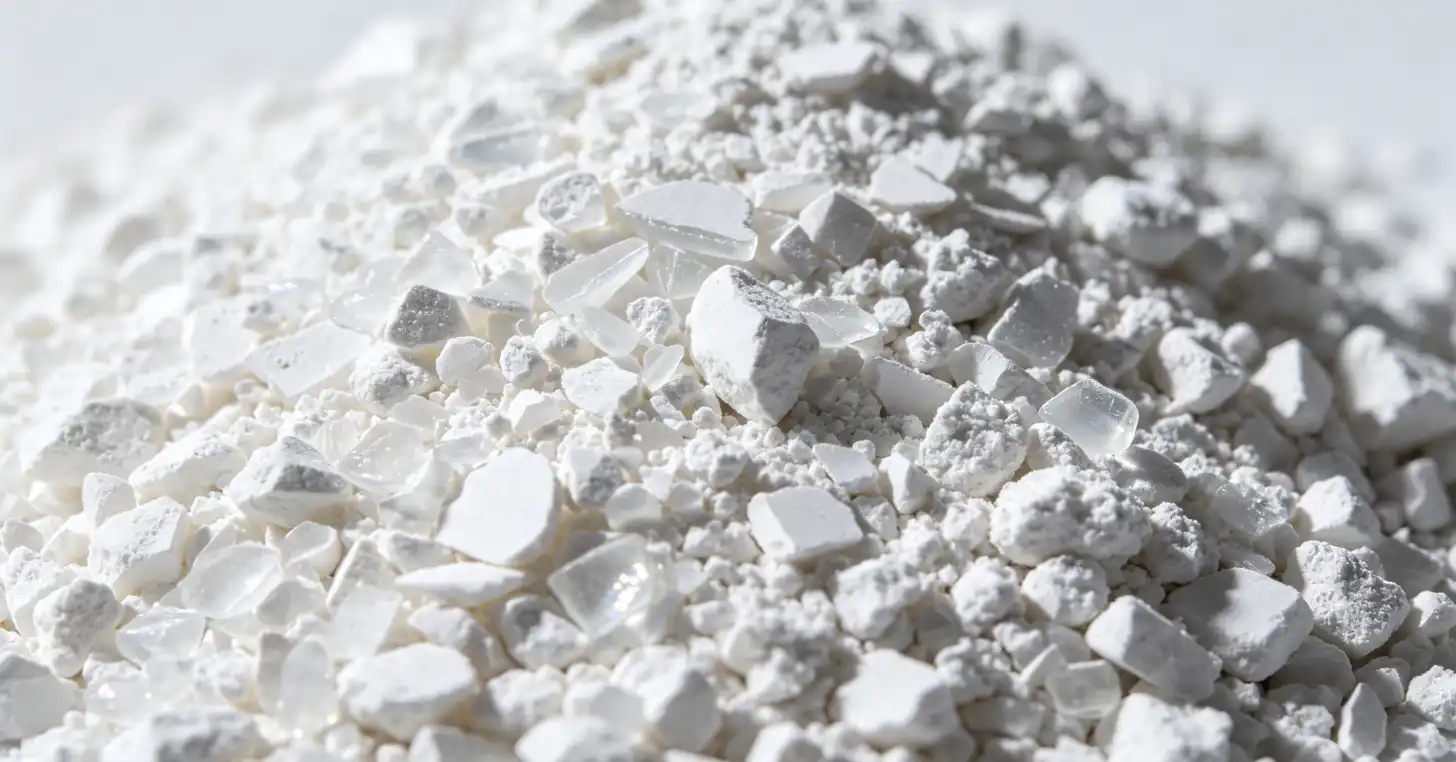
Molienda mecánica con bolas de alúmina
- Inicio /
- Alúmina /
- Tipos de alúmina /
-
Molienda mecánica con bolas de alúmina
Esta alúmina, obtenida mediante un proceso de molienda mecánica de alta energía con bolas, ofrece una reducción del tamaño de partícula finamente controlada, una mayor actividad superficial y una reactividad mejorada. Su proceso, rentable y escalable, produce polvos finos y ultrafinos de calidad constante, ideales para cerámicas avanzadas, materiales refractarios, la fabricación de compuestos y aplicaciones de acabado de superficies de precisión.

¿Qué es la molienda mecánica de alúmina?
La alúmina molida mecánicamente con bolas es óxido de aluminio (Al₂O₃) que ha sido procesado mediante molienda con bolas de alta energía, una técnica de reducción de tamaño en estado sólido en la que el material de alúmina se introduce en una cámara de molino giratoria o vibratoria junto con medios de molienda, normalmente bolas de acero endurecido, circonio o alúmina. Las fuerzas repetidas de impacto, compresión y cizallamiento generadas entre los medios de molienda y las partículas de alúmina fracturan y refinan progresivamente el material hasta convertirlo en polvos finos o ultrafinos con características superficiales mejoradas.
A diferencia de las vías de síntesis química que producen alúmina a partir de precursores moleculares, la molienda con bolas es un proceso físico descendente: se parte de una materia prima de alúmina de grano más grueso y se descompone hasta alcanzar el rango de tamaño de partícula deseado. Los parámetros de molienda, como la velocidad de rotación, el tamaño de los medios, la duración de la molienda y la atmósfera, pueden ajustarse sistemáticamente para obtener distribuciones granulométricas específicas, áreas superficiales y grados de introducción de defectos estructurales.
Cuando se prolongan los tiempos de molienda y se aplica una elevada cantidad de energía, la molienda mecánica con bolas también puede provocar una amorfización parcial de la estructura cristalina de la alúmina, aumentar la tensión reticular y generar estados superficiales altamente reactivos, propiedades que pueden aprovecharse en aplicaciones de sinterización, catalíticas y de materiales compuestos. Esta combinación de reducción de tamaño y activación de la superficie convierte a la alúmina molida mecánicamente con bolas en una solución material práctica y versátil para una amplia gama de sectores industriales.
¿Por qué elegir la alúmina molida mecánicamente con bolas?
-
Reducción precisa del tamaño de las partículas: Los parámetros de molienda pueden ajustarse para obtener las distribuciones granulométricas deseadas —desde la molienda fina hasta los rangos ultrafinos y a escala nanométrica—, proporcionando así la finura específica del polvo necesaria para los procesos posteriores de fabricación de cerámica, materiales compuestos o recubrimientos.
- Mayor actividad superficial: El molido de alta energía introduce defectos superficiales, aumenta la superficie específica y genera estados superficiales reactivos que mejoran el comportamiento de sinterización, el rendimiento de la unión y la reactividad química en aplicaciones de catalizadores y materiales compuestos.
-
Procesamiento rentable y escalable: La molienda con bolas utiliza equipos consolidados y probados en la industria, de baja complejidad operativa, lo que permite una producción fiable de polvo de alúmina a gran escala con costes de procesamiento competitivos, sin necesidad de costosos reactivos químicos ni de entornos de reacción controlados.
-
Amplia compatibilidad con materias primas:La molienda mecánica con bolas permite procesar una amplia gama de materias primas de alúmina —incluidas la alúmina calcinada, fundida y sinterizada— y convertir diversos grados de partida en polvos finos adecuados para los requisitos específicos de cada aplicación.
-
Mejora del rendimiento de sinterización: La reducción del tamaño de las partículas y el aumento de la energía superficial que se consiguen mediante la molienda permiten reducir las temperaturas de sinterización y acortar los tiempos de densificación, lo que mejora la eficiencia del procesamiento cerámico y permite un control más preciso de la microestructura final y las propiedades mecánicas.
-
Flexibilidad en la molienda en seco y en húmedo:Se admiten configuraciones tanto de molienda en seco como en húmedo, lo que permite optimizar el proceso para satisfacer los distintos requisitos de uso final, ya sea maximizando la fluidez del polvo para el prensado en seco o logrando una dispersión superior para aplicaciones cerámicas y de recubrimiento basadas en suspensiones.
Retos del sector
Homogeneidad del tamaño de las partículas
Control de la contaminación
Sensibilidad térmica
Degradación de la superficie
Tendencia a la aglomeración
Limitaciones de escalabilidad
Descripción general del producto
Alúmina
AP-α-ELE/P300
¿Por qué utilizar nuestra alúmina molida mecánicamente?
Retención de alta pureza
Los procesos avanzados de molienda minimizan la contaminación cruzada, preservando la integridad química de la alúmina y cumpliendo los estrictos requisitos de pureza exigidos en aplicaciones de grado técnico e industrial.
Superficie aumentada
El proceso de molienda aumenta de manera efectiva la superficie específica BET, lo que mejora la reactividad y la capacidad de adsorción, aspectos fundamentales para aplicaciones en materiales catalíticos, refractarios y funcionales.
Uniformidad superior de las partículas
La molienda mecánica con bolas produce una distribución granulométrica estrecha, lo que reduce la variabilidad entre lotes y garantiza una calidad constante en la que pueden confiar los procesos posteriores.
Aplicaciones relacionadas

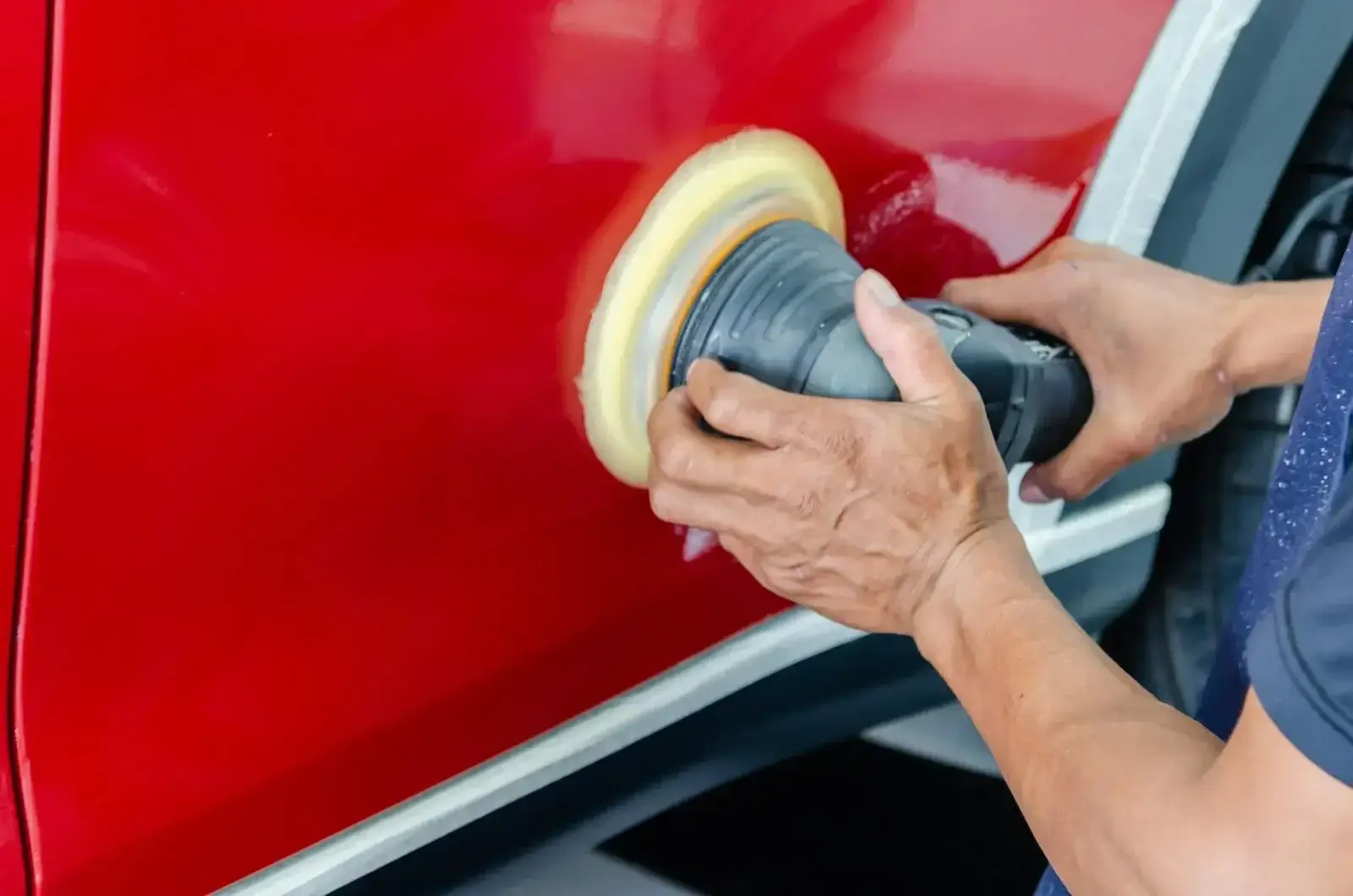
Soluciones para el sector
Servicios de embalaje y logística
Embalaje seguro y personalizable
Los productos se presentarán en una bolsa resistente e impermeable o en un envase a granel, con el fin de garantizar la limpieza y la integridad del producto durante el transporte. Ofrecemos opciones de embalaje personalizadas para tamaños especiales y necesidades específicas de manipulación.
Envíos internacionales fiables y flexibles
Gracias a nuestra colaboración con socios logísticos de confianza, ofrecemos un sistema de entrega flexible para el transporte marítimo, aéreo y terrestre de mercancías. Entrega rápida y transporte seguro a destinos de todo el mundo.
Coordinación especializada de pedidos y asistencia
Ofrecemos asistencia especializada para el seguimiento y la documentación, desde la validación del pedido hasta el último envío. Disponemos de asistencia técnica y logística para garantizar el éxito de la cadena de suministro.
¿Listo para encontrar tu solución industrial perfecta?
¡Cómo hacer un pedido!
Envíenos su consulta detallada o solicite un presupuesto a medida según sus necesidades de carbón activo.