Carbón activado para la conservación de alimentos
- Inicio /
- Carbón activado /
- Aplicaciones del carbón activado /
- Carbón activado de grado alimentario /
-
Carbón activo para la conservación de alimentos
El carbón activo es eficaz para absorber y oxidar el etileno —un factor clave en la maduración y la descomposición poscosecha— con el fin de prolongar la vida útil de frutas, verduras, plantas y productos agrícolas mediante la refrigeración, el envasado con protección UV y el almacenamiento en atmósfera controlada.
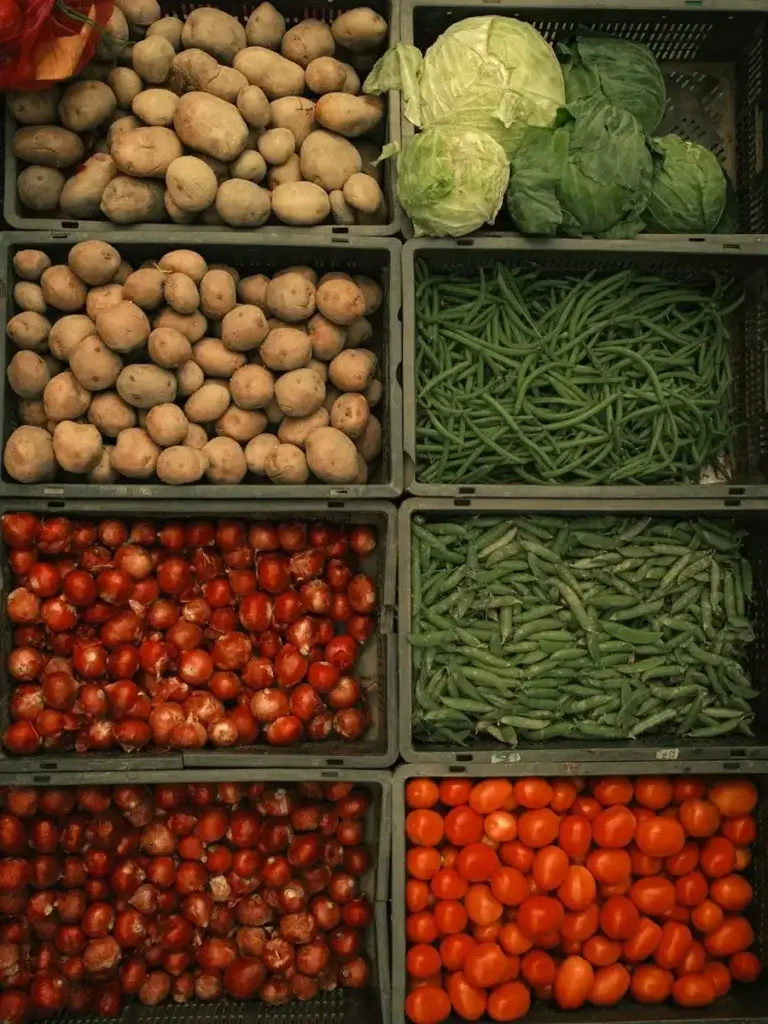
¿Qué es el carbón activado para la conservación de alimentos?
Ventajas principales del carbón activado para la conservación de alimentos
- Eliminación eficaz del etileno en concentraciones de partes por mil millones: La oxidación química del KPM mediante ACF se lleva a cabo en concentraciones mínimas —por lo general, inferiores a 1 ppm—, lo que basta para acelerar la maduración en cultivos susceptibles y permite un control constante del etileno durante todo el ciclo de almacenamiento, sin necesidad de ventilación activa ni de sofisticados dispositivos de gestión atmosférica.
- Mayor vida útil en una amplia gama de productos frescos:Al mantener las concentraciones de etileno por debajo del umbral de maduración de los productos almacenados, los sistemas de conservación con carbón activado prolongan la vida útil comercial de frutas, hortalizas, flores cortadas y plantas ornamentales. Esto no solo reduce las pérdidas poscosecha, sino que también permite alargar los plazos de tránsito en la cadena de suministro y amplía las oportunidades de los mercados de exportación para los productos agrícolas frescos.
- No tóxico y apto para el contacto directo con alimentos: El carbón activo para la conservación de alimentos se fabrica de acuerdo con las normas de seguridad para el contacto con alimentos, lo que permite su uso en aplicaciones que entran en contacto directo o inmediato con productos frescos —como una bolsa en una tienda, un inserto en una caja de envío o una placa filtrante en un frigorífico—, sin que ello suponga ningún riesgo químico para los productos alimenticios.
- Funcionamiento pasivo y sin necesidad de equipos en todos los formatos de la cadena de frío: A diferencia del generador de ozono, el desoxidante UV y el DOC, la ACU funciona de forma pasiva, sin electricidad, sin componentes móviles y sin necesidad de mantenimiento, lo que permite su uso en todo tipo de entornos de almacenamiento en frío, desde grandes almacenes y cámaras frigoríficas hasta vitrinas de venta al por menor a pequeña escala y productos de consumo.
- Solución rentable para reducir las pérdidas poscosecha: Los sistemas de almacenamiento de alimentos con carbón activo ofrecen importantes beneficios económicos al reducir el desperdicio poscosecha, disminuir las tasas de rechazo en el comercio minorista y prolongar los plazos de venta, lo que genera una rentabilidad atractiva para los agricultores, los exportadores, los operadores de almacenes frigoríficos y los minoristas que gestionan los efectos económicos de las pérdidas poscosecha a lo largo de toda la cadena de alimentos frescos.
Retos del sector
La acumulación de etileno es inevitable en los entornos cerrados de almacenamiento en frío
Las distintas variedades de productos agrícolas presentan umbrales de sensibilidad al etileno muy diferentes
Las elevadas tasas de respiración durante las fluctuaciones de temperatura desbordan la capacidad de eliminación
Descripción general del producto
Carbón activado
AIR-EWD-30KM
Casos de uso específicos: el carbón activado para la conservación de alimentos
Control del etileno en almacenes frigoríficos
Gestión del etileno en el transporte marítimo con contenedores refrigerados
Envasado en atmósfera modificada (MAP): eliminación del etileno
Conservación de flores y plantas ornamentales
Prolongación de la frescura en vitrinas de venta al por menor
Conservación de envases farmacéuticos y nutracéuticos
Ventajas de nuestro carbón activado para la conservación de alimentos
Oxidación del etileno de eficacia probada para una prolongación cuantificable de la vida útil
El carbón activado impregnado con permanganato potásico oxida químicamente el etileno en concentraciones inferiores a una parte por millón —los niveles traza que desencadenan la maduración en productos sensibles— para prolongar de forma constante la vida útil comercial de frutas, verduras y flores cortadas entre varios días y varias semanas, tanto en el almacenamiento en frío como durante el transporte.
Funcionamiento pasivo y sin necesidad de equipos en todos los formatos de la cadena de frío
El ACF no necesita electricidad, componentes móviles ni mantenimiento: se coloca de forma pasiva en frigoríficos, vitrinas de tiendas y envases de consumo, sin necesidad de infraestructura ni complicaciones operativas, lo que permite prolongar la vida útil de un producto en cualquier etapa de la cadena de suministro de productos frescos.
No tóxico y apto para uso alimentario, apto para contacto directo con alimentos
Fabricado de acuerdo con las normas de seguridad para el contacto con alimentos, el ACF está disponible en bolsas, insertos y formas de filtración que se colocan directamente junto al producto fresco, lo que prolonga la vida útil del producto al tiempo que evita la introducción de riesgos de contaminación química, favorece la etiqueta limpia y cumple con los requisitos aplicables a los materiales en contacto con alimentos en los principales mercados internacionales de exportación.
Ver todas las categorías de carbón activo
Descubre todas las soluciones industriales
Servicios de embalaje y logística
Embalaje seguro y personalizable
Los productos se presentarán en una bolsa resistente e impermeable o en un envase a granel, con el fin de garantizar la limpieza y la integridad del producto durante el transporte. Ofrecemos opciones de embalaje personalizadas para tamaños especiales y necesidades específicas de manipulación.
Envíos internacionales fiables y flexibles
Gracias a nuestra colaboración con socios logísticos de confianza, ofrecemos un sistema de entrega flexible para el transporte marítimo, aéreo y terrestre de mercancías. Entrega rápida y transporte seguro a destinos de todo el mundo.
Coordinación especializada de pedidos y asistencia
Ofrecemos asistencia especializada para el seguimiento y la documentación, desde la validación del pedido hasta el último envío. Disponemos de asistencia técnica y logística para garantizar el éxito de la cadena de suministro.
¿Listo para encontrar tu solución industrial perfecta?
¡Cómo hacer un pedido!
Envíenos su consulta detallada o solicite un presupuesto a medida según sus necesidades de carbón activo.
¡Solicita información ahora!
Blogs relacionados