Alúmina de grado metalúrgico
- Inicio /
- Alúmina /
- Aplicaciones de la alúmina /
-
Alúmina de grado metalúrgico
¿Qué es la alúmina de grado metalúrgico?
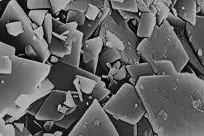
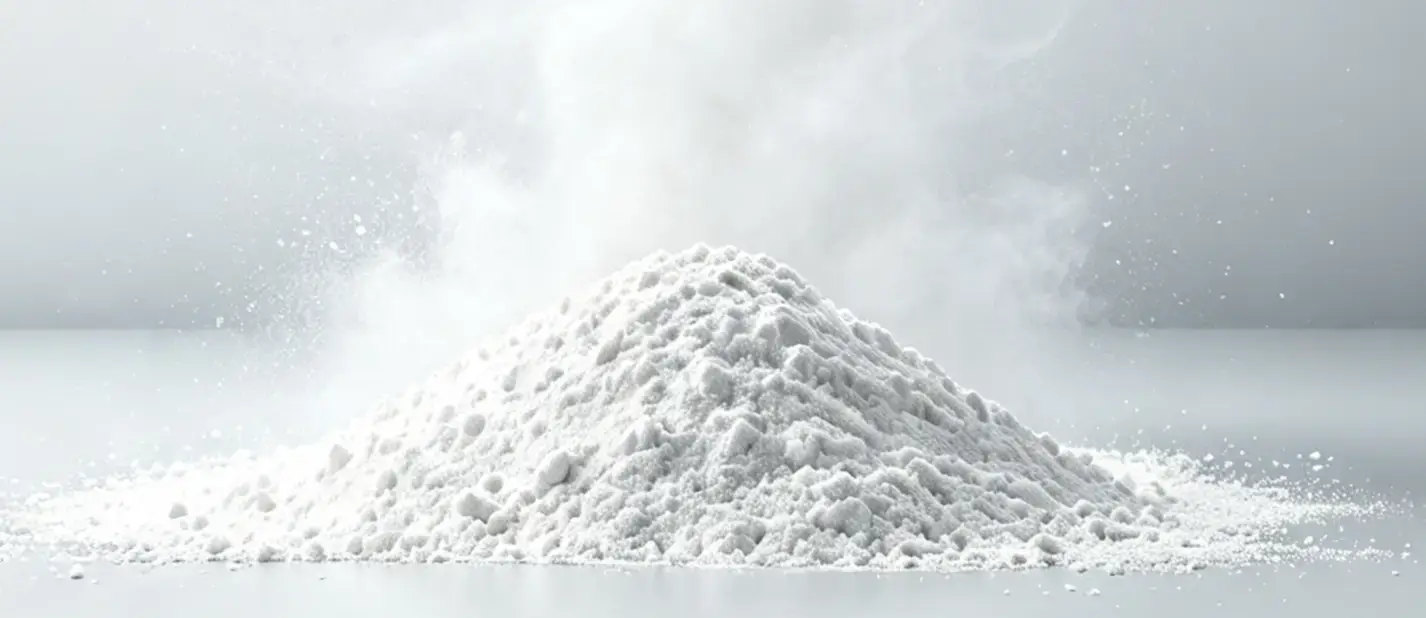
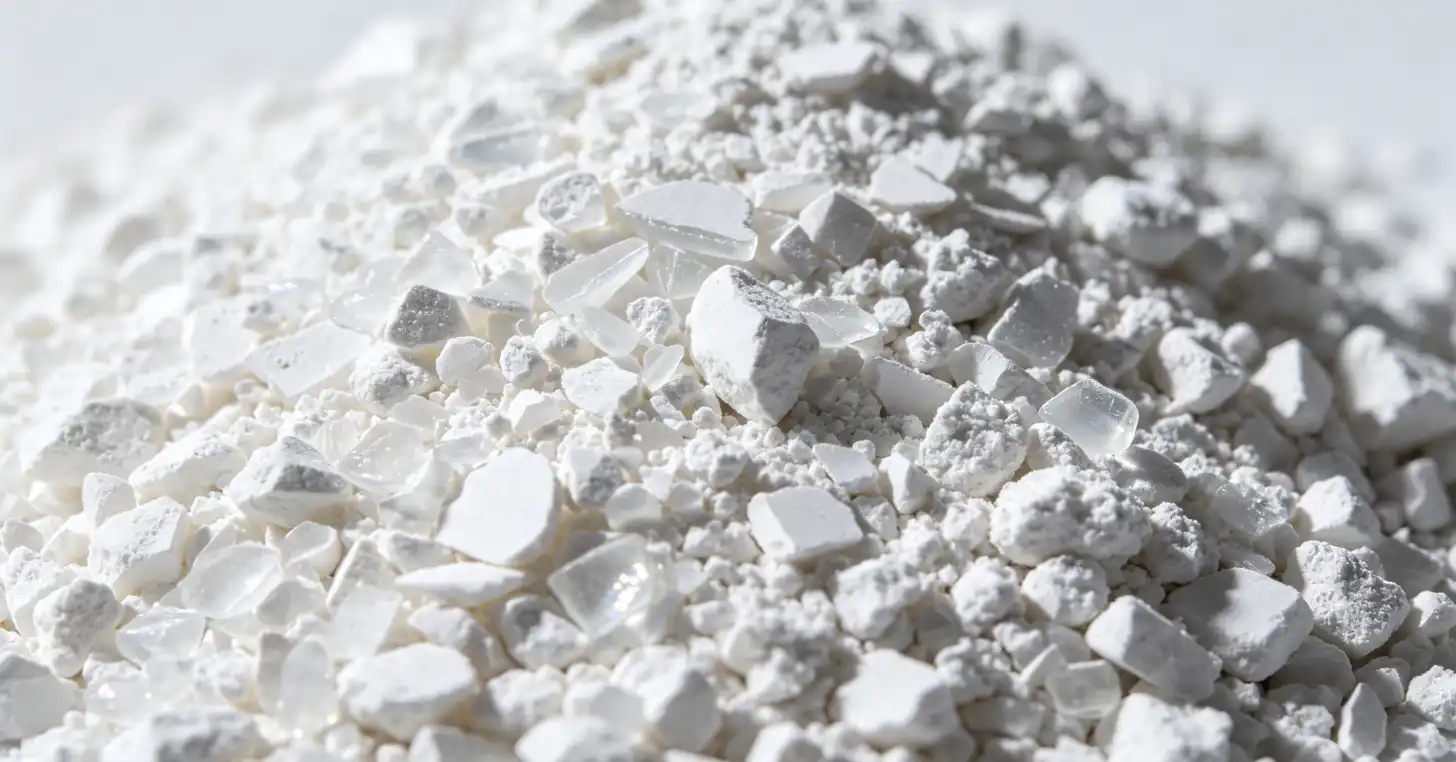
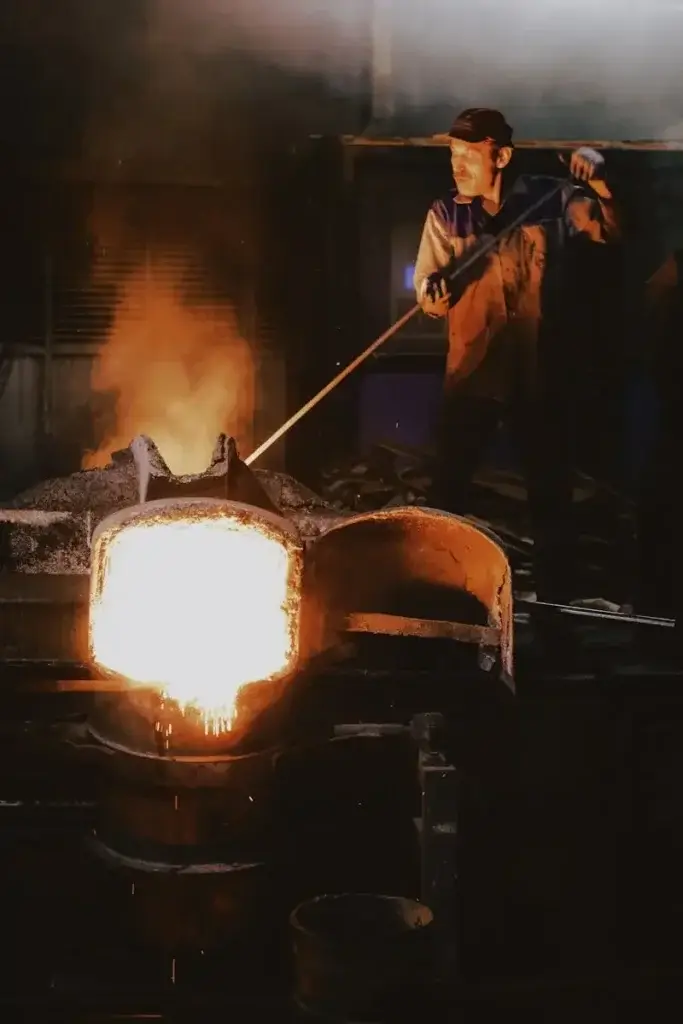
La alúmina de grado metalúrgico es un tipo de óxido de aluminio que se produce principalmente como materia prima fundamental para el proceso de fundición electrolítica de aluminio Hall-Héroult, que actualmente es el método industrial predominante para la fabricación de aluminio primario en todo el mundo. Se obtiene a partir de la bauxita mediante el proceso Bayer, en el que se extrae y refina el hidróxido de aluminio antes de calcinarlo para obtener alúmina acabada que cumple con los estándares físicos y químicos requeridos para la fundición de aluminio.
A diferencia de los productos de alúmina especializados desarrollados para aplicaciones cerámicas, electrónicas o refractarias, la alúmina de grado metalúrgico está formulada para satisfacer las necesidades específicas de las celdas de reducción electrolítica. Se ajustan cuidadosamente indicadores clave como el contenido de alúmina α, la distribución del tamaño de las partículas, la densidad aparente, el ángulo de reposo, el contenido de humedad y la pureza química. Estas propiedades influyen directamente en la uniformidad y eficiencia con que la alúmina se disuelve en el electrolito de criolita fundida, lo que contribuye a una producción de aluminio estable y de alta eficiencia.
La alúmina de grado metalúrgico se utiliza a gran escala en todo el mundo. La producción de una tonelada de aluminio primario suele requerir entre 4 y 4,3 toneladas de alúmina, lo que la sitúa entre los minerales industriales más comercializados a nivel mundial. Las empresas de fundición adquieren alúmina metalúrgica de acuerdo con especificaciones estrictas para garantizar la compatibilidad con el diseño de sus celdas, la estructura del revestimiento de los hornos y los sistemas de alimentación. Incluso pequeñas desviaciones de estas normas pueden afectar significativamente a la eficiencia de la corriente, el consumo de ánodos, las emisiones de fluoruro y la calidad final de los productos de aluminio.
Principales ventajas de la alúmina de grado metalúrgico
- Contenido optimizado de la fase de alfa-alúmina para una disolución controlada en un baño de criolita:La calcinación del óxido de aluminio metalúrgico produce una combinación controlada de alúmina alfa y alúmina de transición, lo que permite equilibrar la rápida reactividad de disolución del aluminio de transición con la estabilidad física de la alúmina alfa, con el fin de alcanzar el perfil de velocidad de disolución que requieren los diseños modernos de baterías de fundición de aluminio con alimentación puntual para garantizar la estabilidad química del baño y una eficiencia constante de la corriente.
- Distribución controlada del tamaño de las partículas que garantiza un rendimiento fiable del sistema de alimentación de alúmina:La distribución granulométrica del óxido de aluminio metalúrgico influye directamente en la fiabilidad del sistema de alimentación, el comportamiento de la formación de polvo y la homogeneidad de la disolución dentro de la cuba de fusión; para ello, el óxido de aluminio debe cumplir los criterios de clasificación «arenoso» o «harinoso», que garantizan la fluidez, el ángulo de reposo y la densidad aparente necesarios para un funcionamiento continuo del alimentador puntual y para que se forme una capa mínima de óxido de aluminio en la superficie del baño de la celda.
- Bajo contenido de humedad para evitar la alteración de las celdas y los picos de emisión de fluoruro de hidrógeno: El agua presente en la alimentación de óxido de aluminio provoca la formación de fluoruro de hidrógeno y la degradación química del baño de la batería al introducirse en el baño de criolita a alta temperatura de la batería de reducción.
- Especificaciones de pureza química para proteger la calidad del aluminio y la durabilidad del revestimiento de las celdas: La presencia de dióxido de silicio, óxido férrico, óxido de sodio, etc., en la metalurgia del aluminio permite evitar la contaminación del aluminio primario y puede utilizarse para proteger el material del revestimiento frente a un ataque químico rápido.
- Propiedades físicas a granel uniformes que garantizan un funcionamiento estable y a largo plazo de la fundición: La uniformidad entre lotes en cuanto a volumen, tamaño de grano, alfa y composición química permite a las refinerías mantener constantes los parámetros de control de las celdas, los programas de alimentación y los protocolos de gestión de los productos químicos del baño, al reducir la frecuencia de las interrupciones en el funcionamiento de las celdas, los efectos no deseados en los ánodos y los ajustes de los productos químicos del baño que disminuyen la eficiencia de la corriente y aumentan el coste operativo por tonelada de aluminio.
Retos del sector
La variabilidad del contenido de humedad provoca picos en las emisiones de fluoruro de hidrógeno y estrés en el revestimiento celular
Las irregularidades en la distribución del tamaño de las partículas provocan atascos en el sistema de alimentación de alúmina y pérdidas por polvo
El endurecimiento de la normativa sobre emisiones de flúor está aumentando las exigencias en cuanto al rendimiento de los sistemas de depuración en seco de alúmina
Descripción general del producto
Alúmina
DFA-F-MET/R100
Alúmina
DFA-F-MET/R300
Alúmina
DFA-F-MET/R500
Alúmina
CCO-F-MET/R500
Casos de uso específicos — Alúmina de grado metalúrgico
Materia prima para las celdas de fundición de aluminio primario
Depuración en seco y control de las emisiones de fluoruro en las fundiciones de aluminio
Producción de alúmina calcinada para la fabricación de productos de calidad especial
Infraestructura para el almacenamiento, la manipulación y el transporte neumático de alúmina
Aplicaciones relacionadas con el material de la cubierta del ánodo y la gestión de la composición química del baño
Programas de cumplimiento medioambiental y relaciones con la comunidad de las fundiciones de aluminio
Ventajas de nuestra alúmina de grado metalúrgico
Contenido optimizado de la fase de alfa-alúmina para un rendimiento estable de la celda de fundición
La calcinación controlada da lugar a un equilibrio preciso entre la fase alfa y la fase de transición del aluminio, necesario para lograr una velocidad de disolución uniforme en un baño de criolita, lo que favorece una composición química celular estable, minimiza el impacto en el ánodo y mantiene los niveles de eficiencia de la corriente que determinan directamente el coste de producción del aluminio por tonelada en toda la línea de cubas.
Una distribución uniforme del tamaño de las partículas que garantiza el funcionamiento fiable del sistema de alimentación
Una distribución granulométrica controlada con precisión proporciona el flujo, densidad aparente y el ángulo de reposo necesarios para garantizar un funcionamiento fiable del alimentador puntual, con el fin de minimizar el atascamiento del sistema de alimentación, reducir la pérdida de polvo de óxido de aluminio y mantener la misma concentración de aluminio líquido que requiere una unidad de reducción estable y altamente eficiente que opera en grandes líneas de hornos de fundición.
Bajo contenido de humedad: protección de la composición química de las células y cumplimiento de los requisitos sobre emisión de flúor
El nivel de agua constantemente bajo evita la formación de HF en el baño de la batería de reducción, lo que preserva la estabilidad química del baño, reduce el pico de HF que pone en peligro el cumplimiento de la normativa y prolonga la vida útil del revestimiento de carbono de la cubeta al minimizar el ataque químico provocado por la humedad, que acelera el deterioro del revestimiento del cátodo en la unidad de reducción en funcionamiento.
Ver todas las categorías de carbón activo
Descubre todas las soluciones industriales
Servicios de embalaje y logística
Embalaje seguro y personalizable
Los productos se presentarán en una bolsa resistente e impermeable o en un envase a granel, con el fin de garantizar la limpieza y la integridad del producto durante el transporte. Ofrecemos opciones de embalaje personalizadas para tamaños especiales y necesidades específicas de manipulación.
Envíos internacionales fiables y flexibles
Gracias a nuestra colaboración con socios logísticos de confianza, ofrecemos un sistema de entrega flexible para el transporte marítimo, aéreo y terrestre de mercancías. Entrega rápida y transporte seguro a destinos de todo el mundo.
Coordinación especializada de pedidos y asistencia
Ofrecemos asistencia especializada para el seguimiento y la documentación, desde la validación del pedido hasta el último envío. Disponemos de asistencia técnica y logística para garantizar el éxito de la cadena de suministro.
¿Listo para encontrar tu solución industrial perfecta?
¡Cómo hacer un pedido!
Envíenos su consulta detallada o solicite un presupuesto a medida según sus necesidades de carbón activo.
¡Solicita información ahora!
Blogs relacionados