Carbón activado para la adsorción de SO₂
- Inicio /
- Carbón activado /
- Aplicaciones del carbón activado /
- Carbón activo químico /
-
Carbón activo para la eliminación de SO₂
¿Qué es el carbón activado para la adsorción de SO₂?
La adsorción con carbón activo (SO₂) consiste en el uso de materiales de carbón activo específicamente seleccionados y diseñados (incluidos los de superficie específica elevada estándar y la variante de inmersión) para la eliminación del SO₂, mediante la combinación de la absorción física, la oxidación catalítica y el mecanismo de reacción química que transforma el SO₂ en ácido sulfúrico aprovechable o en subproductos sólidos estables.
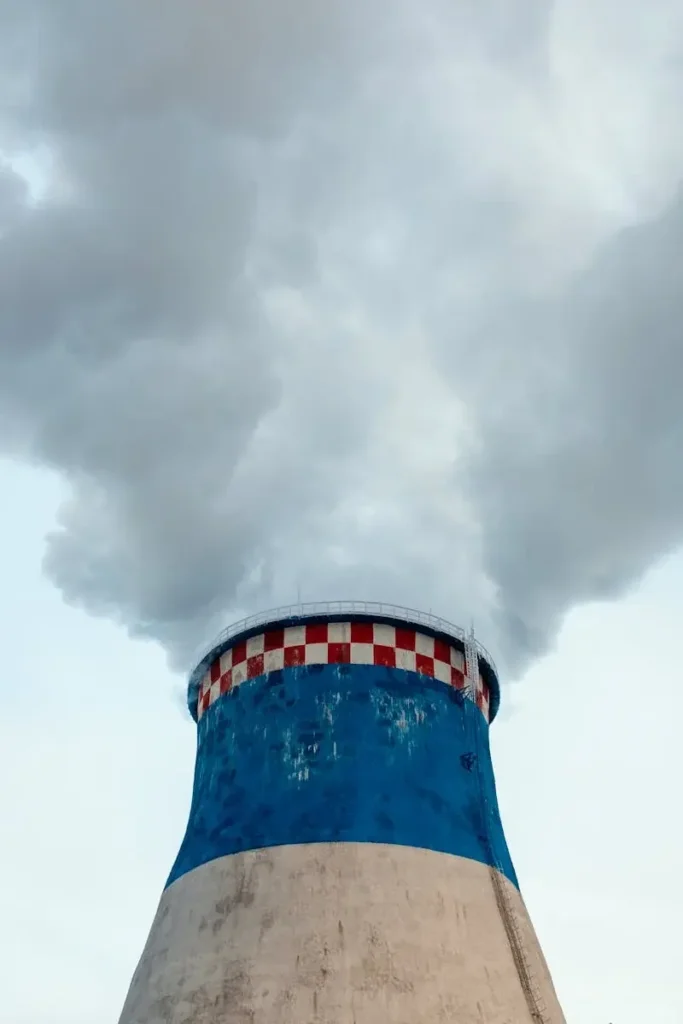
El dióxido de azufre se genera como subproducto de la combustión primaria y la fundición en todos aquellos lugares donde se procesan combustibles y minerales que contienen azufre —desde el carbón hasta el cobre, el plomo, la producción de ácido sulfúrico, los hornos de coque, las plantas de incineración de residuos y los hornos de cemento—. El SO₂ adsorbido se oxida a SO₂ en presencia del catalizador en la superficie del carbón activo y del agua circundante, transformándose posteriormente en ácido sulfúrico —que puede reciclarse como subproducto comercializable o eliminarse de forma segura —, lo que permite que el ACCF se convierta en una técnica de proceso seco o semiseco que elimina la gran cantidad de aguas residuales y agentes químicos que requieren los sistemas tradicionales de depuración en húmedo.
Debido al continuo endurecimiento de los límites de emisión de SO₂ en las principales economías industriales de todo el mundo, los sistemas ACFGD ofrecen a los operadores industriales una alternativa técnicamente probada, con flexibilidad operativa y potencial de recuperación de recursos, frente al lavado húmedo con cal, con el fin de cumplir los requisitos de una amplia gama de componentes de los gases de combustión y caudales volumétricos.
Principales ventajas del carbón activado para la adsorción de SO₂
- Eliminación simultánea de múltiples contaminantes en una única etapa de tratamiento: Los sistemas de desulfuración con carbón activado son capaces de eliminar el SO₂ junto con los NOₓ, las dioxinas, el vapor de mercurio y los metales pesados ligados a partículas de los gases de combustión industriales complejos en un único lecho de adsorción. De este modo, se cumple con la normativa relativa a múltiples contaminantes, un rendimiento que los sistemas de depuración húmeda, centrados exclusivamente en el SO₂, no pueden alcanzar a menos que estén equipados con procesos de tratamiento adicionales posteriores.
-
Funcionamiento mediante un proceso en seco que elimina las aguas residuales y los costes de los reactivos químicos: A diferencia del lavado húmedo con lechada de cal, el SO₂ se trata mediante un proceso seco o semiseco que no genera aguas residuales de proceso, no requiere una instalación de suministro de reactivos alcalinos y evita los problemas de incrustaciones y corrosión, así como los costes de tratamiento de aguas residuales que dificultan el funcionamiento de los sistemas de FGD húmedos en un entorno industrial con escasez de agua.
-
Recuperación de subproductos del ácido sulfúrico para compensar los costes de funcionamiento del sistema: La oxidación catalítica del SO₂ adsorbido en superficies de carbón activo produce ácido sulfúrico concentrado, que puede recuperarse y venderse como producto químico industrial, lo que permite convertir los costes de cumplimiento normativo relacionados con los gases residuales en flujos de subproductos generadores de ingresos que compensan, parcial o totalmente, los costes operativos del sistema de desulfuración en aplicaciones con altos niveles de SO₂, por ejemplo, la fundición de cobre y el tratamiento de los gases residuales de las plantas de ácido sulfúrico.
-
Regeneración térmica: recuperación de la capacidad total de adsorción para un funcionamiento continuo: El carbón activado usado, cargado con compuestos de azufre, se regenera térmicamente a temperaturas controladas, liberando SO₂ concentrado para la recuperación del ácido y recuperando por completo su capacidad de adsorción para su reutilización, lo que permite una desulfuración continua en circuito cerrado con un consumo controlado de carbón de reposición, en lugar de un uso único.
-
Dimensiones reducidas, ideales para reformas e instalaciones con limitaciones de espacio: El reactor de desulfuración de lecho móvil de carbón activado alcanza una elevada eficiencia en la eliminación de SO₂ en un espacio de instalación significativamente menor que el de un sistema de depuración en húmedo equivalente, lo que convierte al ACFGD en la técnica de adaptación preferida para las instalaciones existentes, en las que las limitaciones de espacio hacen que la instalación de un sistema de depuración de gases de combustión (FGD) en húmedo resulte inviable sin una inversión significativa en ingeniería civil.
Retos del sector
Límites de emisión de SO₂ cada vez más estrictos en las principales economías industrializadas
El endurecimiento de los límites reglamentarios para las emisiones de SO₂ procedentes de centrales eléctricas, fundiciones e instalaciones químicas obliga a los operadores industriales a modernizar los sistemas de desulfuración existentes para alcanzar unos niveles de eliminación que las técnicas más antiguas de depuración en húmedo e inyección en seco no pueden garantizar de forma constante.
Gran variabilidad en las concentraciones de SO₂ en las corrientes de gases de combustión industriales
Las fluctuaciones en el contenido de azufre del combustible, los ritmos de producción variables y las alteraciones en el proceso provocan importantes oscilaciones en la concentración de SO₂ en los gases de combustión, lo que supone un reto para la gestión de la capacidad de adsorción y la programación de la regeneración de los sistemas de desazufuración con carbón activo de lecho fijo.
Requisitos de cumplimiento simultáneo en materia de múltiples contaminantes
Las corrientes de gases de combustión industriales contienen SO₂ junto con NOx, dioxinas, mercurio y compuestos de metales pesados, todos los cuales deben cumplir con límites de emisión específicos, lo que exige soluciones de desulfuración capaces de tratar múltiples contaminantes regulados en un único sistema de tratamiento integral.
Descripción general del producto
Carbón activado
IND-ECL-40AM
Casos de uso específicos: carbón activado para la adsorción de SO₂
Desulfuración de los gases de combustión de las centrales eléctricas de carbón
En las centrales eléctricas de carbón, los reactores de lecho móvil de carbón activado se instalan aguas abajo de los precipitadores electrostáticos, con el fin de adsorber y oxidar catalíticamente el dióxido de azufre (SO₂) de los grandes volúmenes de gases de combustión antes de su emisión a través de la chimenea.
En los sistemas integrados de desulfuración con coque activado, este proceso permite la captura simultánea de SO₂, óxidos de nitrógeno (NOₓ), mercurio y dioxinas en un único reactor. Esta capacidad permite cumplir con las normas de emisión de múltiples contaminantes, algo que los sistemas de depuración húmeda basados en cal no pueden lograr a menos que se complementen con procesos de tratamiento adicionales posteriores.
Tratamiento de los gases residuales de las fundiciones de cobre y plomo
Tratamiento de los gases de combustión de los hornos de coque y de las plantas siderúrgicas de sinterización
Los hornos de coque y las operaciones de sinterización de mineral de hierro en las plantas siderúrgicas integradas emiten mezclas complejas de gases de combustión que contienen SO₂ junto con NOₓ, polvo, dioxinas y metales pesados. Los sistemas de lecho móvil de carbón activado se aplican en el tratamiento de los gases residuales de las máquinas de sinterización para lograr la eliminación simultánea de múltiples contaminantes regulados en una única instalación compacta, lo que convierte a la desulfuración con carbón activado en la tecnología preferida para las mejoras en el control de emisiones de las plantas siderúrgicas, donde se requiere el cumplimiento de las normas relativas a múltiples contaminantes dentro de diseños de planta con limitaciones de espacio.
Incineración de residuos y control de emisiones en instalaciones de residuos sólidos urbanos
Las plantas de incineración de residuos sólidos urbanos e industriales producen gases de combustión que contienen SO₂ procedente de las fracciones de azufre, junto con HCl, dioxinas, furanos y metales pesados, todos los cuales deben cumplir los estrictos valores límite de emisión establecidos en la legislación sobre incineración de residuos. La inyección de carbón activado y la fase de adsorción en lecho fijo se integran en la EDAR para absorber simultáneamente los micropoluentes ácidos y orgánicos, lo que proporciona la capacidad de eliminación de múltiples contaminantes exigida por las normas de emisión de residuos sólidos urbanos.
Depuración de los gases de escape de una planta de ácido sulfúrico
Las instalaciones de producción de ácido sulfúrico basadas en el método de contacto no son capaces de convertir por completo el SO₂ en SO₂ en el catalizador, lo que da lugar a la presencia de SO₂ residual en los gases de escape de la planta, que debe tratarse antes de su liberación a la atmósfera. Los sistemas de depuración de gases residuales con carbón activado absorben este SO₂ residual y lo transforman catalíticamente en una cantidad adicional de ácido sulfúrico, mejorando al mismo tiempo el cumplimiento de los límites de emisión de SO₂ de la planta y recuperando un rendimiento adicional de ácido de la corriente de gases de escape, lo que, de otro modo, supondría tanto una obligación de emisión como una pérdida de producto.
Desulfuración de gases de escape de procesos químicos y petroquímicos
Las operaciones de fabricación de productos químicos y de refinería de petróleo generan corrientes de gases de escape y de proceso que contienen SO₂ procedente de la oxidación de compuestos de azufre, la regeneración de catalizadores y las operaciones de las unidades de hidrodesulfuración. Los adsorbedores de lecho fijo de carbón activado se utilizan para capturar el SO₂ en las concentraciones relativamente bajas que suelen encontrarse en las corrientes de gases de escape de las plantas químicas, con el fin de cumplir la normativa y proteger las instalaciones situadas aguas abajo de la corrosión provocada por el azufre, sin tener que lidiar con la complejidad que supone la manipulación de reactivos en el lavado húmedo.
Desulfuración de gases de escape de procesos químicos y petroquímicos
Las fundiciones de vidrio que utilizan combustibles azufrados emiten SO₂ junto con NOx y partículas procedentes del proceso de fusión por lotes. La adsorción con carbón activo se utiliza para capturar el SO₂ de los gases de escape del horno y para cumplir con el límite de emisión establecido por las directrices del sector para las plantas de fabricación de vidrio, lo que proporciona una solución de proceso en seco compatible con las restricciones de gestión de HC del CFT.
Reactivación térmica
Ventajas de nuestro carbón activado para la adsorción de SO₂
Eliminación simultánea de múltiples contaminantes en una única etapa de adsorción
Además del SO₂, los sistemas de desulfuración con carbón activado eliminan simultáneamente NOx, vapores de mercurio, dioxinas y compuestos de metales pesados de los gases de combustión industriales complejos, lo que garantiza el cumplimiento integral de la normativa sobre emisiones de múltiples contaminantes, algo que un sistema de depuración en húmedo destinado exclusivamente al SO₂ no puede lograr sin una costosa infraestructura adicional de tratamiento posterior.
Proceso de funcionamiento en seco que elimina la generación de aguas residuales y los costes de los reactivos
La adsorción de SO₂ mediante carbón activado no requiere el suministro de reactivos alcalinos, no genera aguas residuales del proceso y evita la necesidad de un sistema de desulfuración de gases de combustión (FGD) húmedo, lo que reduce considerablemente la complejidad operativa y los costes generales de cumplimiento normativo para las instalaciones industriales que operan con limitaciones de espacio o de agua.
Regeneración térmica y recuperación de ácido sulfúrico: cómo convertir los gases residuales en un valor comercial
El carbón activado usado se somete a un proceso de regeneración térmica para recuperar por completo su capacidad de adsorción y poder reutilizarlo, y el SO₂ liberado se transforma en ácido sulfúrico recuperable, lo que convierte los costes derivados del cumplimiento normativo en subproductos generadores de ingresos que compensan los costes de funcionamiento del sistema de desulfuración.
Ver todas las categorías de carbón activo
Descubre todas las soluciones industriales
Servicios de embalaje y logística
Embalaje seguro y personalizable
Los productos se presentarán en una bolsa resistente e impermeable o en un envase a granel, con el fin de garantizar la limpieza y la integridad del producto durante el transporte. Ofrecemos opciones de embalaje personalizadas para tamaños especiales y necesidades específicas de manipulación.
Envíos internacionales fiables y flexibles
Gracias a nuestra colaboración con socios logísticos de confianza, ofrecemos un sistema de entrega flexible para el transporte marítimo, aéreo y terrestre de mercancías. Entrega rápida y transporte seguro a destinos de todo el mundo.
Coordinación especializada de pedidos y asistencia
Ofrecemos asistencia especializada para el seguimiento y la documentación, desde la validación del pedido hasta el último envío. Disponemos de asistencia técnica y logística para garantizar el éxito de la cadena de suministro.
¿Listo para encontrar tu solución industrial perfecta?
¡Cómo hacer un pedido!
Envíenos su consulta detallada o solicite un presupuesto a medida según sus necesidades de carbón activo.
¡Solicita información ahora!
Blogs relacionados