Alúmina para impresión 3D
- Inicio /
- Alúmina /
- Aplicaciones de la alúmina /
-
Alúmina para impresión 3D
¿Qué es la alúmina para impresión 3D?
Ventajas clave de la impresión 3D de alúmina
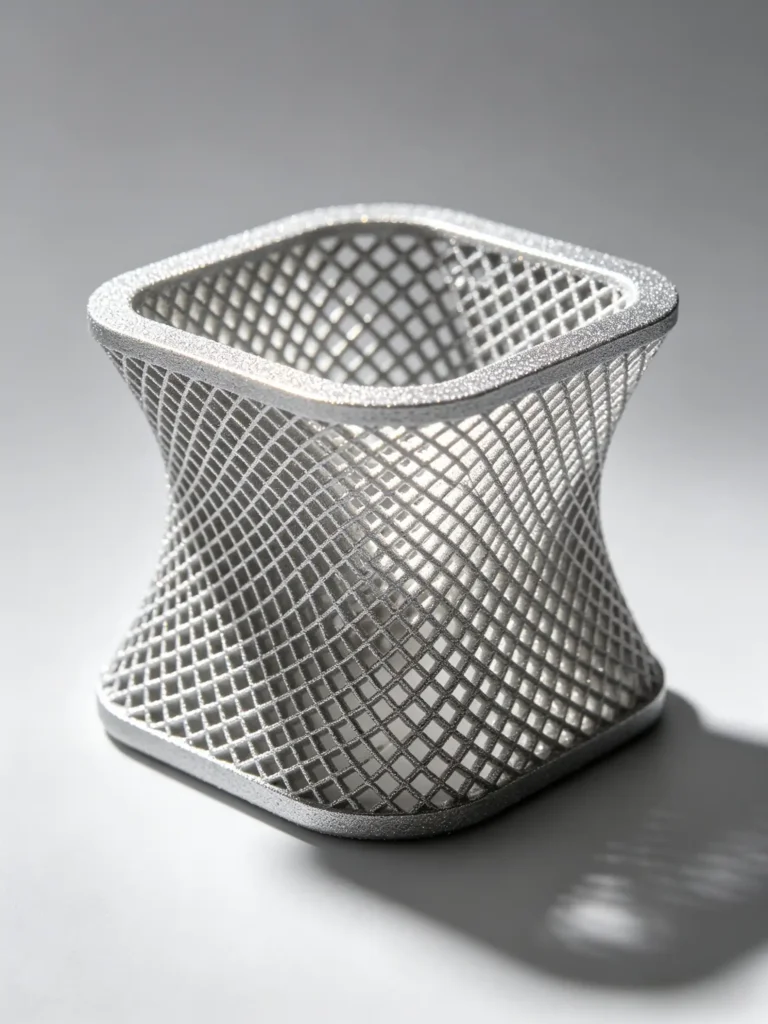
- Fabricación de geometrías complejas sin limitaciones de utillaje ni de conformado: El uso de óxido de aluminio para producir un aditivo cerámico elimina las limitaciones geométricas que impone el moldeado a presión, el deslizamiento y la extrusión en la fabricación de piezas de aleación de aluminio con conductos internos, configuraciones en rejilla, características conformacionales y curvaturas complejas que no pueden obtenerse mediante los procesos tradicionales de fabricación de cerámica en un volumen de producción económicamente viable.
- Propiedades de los materiales sinterizados de alto rendimiento equivalentes a las de la alúmina moldeada de forma convencional: El óxido de aluminio impreso en 3D, debidamente preparado y sinterizado, presenta una densidad, una dureza, una resistencia a la flexión y una resistencia química equivalentes a las de los procesos de fabricación convencionales, lo que permite obtener todas las propiedades del óxido de aluminio de alta pureza en piezas de geometría compleja que antes requerían un costoso procesamiento de chapas de aluminio compactas.
- Prototipado rápido y producción de series cortas sin necesidad de invertir en utillaje fijo: La fabricación aditiva elimina los costes de moldes y utillajes asociados al moldeado cerámico tradicional, lo que permite producir piezas de óxido de aluminio personalizadas a un bajo coste en volúmenes de muestra, lotes pequeños y, a menudo, con diseños modificados, sin necesidad de utillaje cerámico especializado.
- Porosidad y microestructura controladas para aplicaciones cerámicas funcionales: Las técnicas avanzadas de impresión 3D de cerámica permiten modificar de forma controlada la densidad local, la porosidad y las microestructuras de las piezas individuales de óxido de aluminio, lo que hace posible obtener una estructura con gradiente funcional, un andamio poroso diseñado específicamente para implantes médicos y un perfil óptimo de propiedades térmicas y acústicas que la cerámica convencional no puede ofrecer.
- Personalización para satisfacer los requisitos de aplicaciones médicas, aeroespaciales y electrónicas: La impresión 3D con óxido de aluminio permite crear implantes médicos con geometrías específicas para cada paciente, diseños de placas electrónicas adaptados a cada aplicación y perfiles estructurales aeroespaciales específicos para cada componente, gracias a la combinación de la biocompatibilidad, las propiedades aislantes y las características térmicas del óxido de aluminio, junto con la personalización dimensional que cada vez es más demandada por las aplicaciones especializadas de alto valor en el sector de la fabricación de cerámicas avanzadas.
Retos del sector
Las irregularidades en el tamaño y la distribución de las partículas de la materia prima afectan a la estabilidad de la pasta y a la resolución de impresión
Predicción de la contracción por sinterización y control dimensional en geometrías impresas complejas
Conseguir una densidad de sinterización y unas propiedades mecánicas equivalentes a las de la alúmina fabricada de forma convencional
Descripción general del producto
Alúmina
AP-α-3DP/G500
Casos de uso específicos: impresión 3D de alúmina
Componentes estructurales y térmicos para el sector aeroespacial y de defensa
Implantes médicos y componentes de dispositivos biomédicos
Sustratos electrónicos y componentes de encapsulado microelectrónico
Piezas de desgaste industriales y componentes cerámicos a medida
Investigación, creación de prototipos y desarrollo de cerámica a medida
Componentes para equipos analíticos y de laboratorio de alta temperatura
Ventajas de nuestra alúmina para impresión 3D
Fabricación de geometrías cerámicas complejas sin limitaciones de utillaje ni de conformado
El uso de óxido de aluminio para producir aditivos cerámicos elimina las limitaciones de presión y geometría del molde, lo que permite fabricar piezas de óxido de aluminio con conductos internos, patrones de rejilla y curvaturas complejas que no se pueden obtener mediante las técnicas tradicionales de moldeo cerámico, al tiempo que se evitan los plazos de entrega y los costes de capital asociados al utillaje cerámico especializado.
Propiedades de rendimiento de sinterización completa en componentes con formas geométricas complejas
El aluminio impreso en 3D, debidamente preparado y sinterizado, presenta el mismo grosor, la misma dureza y la misma resistencia química que el obtenido mediante tecnologías convencionales, lo que permite aprovechar todas las propiedades del óxido de aluminio de alta pureza en geometrías de ensamblaje complejas que, de otro modo, habrían requerido un costoso procesamiento de láminas de aluminio compactas.
Prototipado rápido y producción en series pequeñas sin necesidad de invertir en utillaje fijo
La fabricación aditiva elimina los moldes y los costes asociados a ellos que conlleva la fabricación tradicional de cerámica, lo que permite fabricar de forma económica piezas de óxido de aluminio a medida en cantidades de muestra y lotes pequeños, sin tener que cumplir con los pedidos mínimos ni los plazos de entrega de los utillajes que exige la fabricación tradicional de cerámica.
Ver todas las categorías de carbón activo
Descubre todas las soluciones industriales
Servicios de embalaje y logística
Embalaje seguro y personalizable
Los productos se presentarán en una bolsa resistente e impermeable o en un envase a granel, con el fin de garantizar la limpieza y la integridad del producto durante el transporte. Ofrecemos opciones de embalaje personalizadas para tamaños especiales y necesidades específicas de manipulación.
Envíos internacionales fiables y flexibles
Gracias a nuestra colaboración con socios logísticos de confianza, ofrecemos un sistema de entrega flexible para el transporte marítimo, aéreo y terrestre de mercancías. Entrega rápida y transporte seguro a destinos de todo el mundo.
Coordinación especializada de pedidos y asistencia
Ofrecemos asistencia especializada para el seguimiento y la documentación, desde la validación del pedido hasta el último envío. Disponemos de asistencia técnica y logística para garantizar el éxito de la cadena de suministro.
¿Listo para encontrar tu solución industrial perfecta?
¡Cómo hacer un pedido!
Envíenos su consulta detallada o solicite un presupuesto a medida según sus necesidades de carbón activo.
¡Solicita información ahora!
Blogs relacionados